



OEM vs. Aftermarket : How to Choose the Right Bumper or Fender
Replacing a damaged bumper, fender or hood? Learn the difference between OEM and aftermarket parts and how to get a perfect fit.
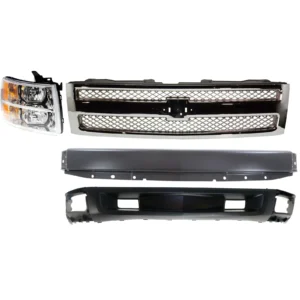
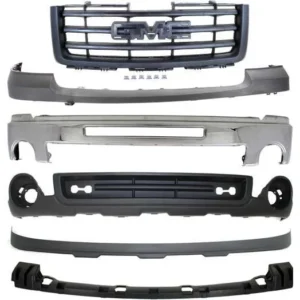
After a minor collision, body parts like bumpers, fenders, hoods and grilles are among the most common replacements. Choosing the right part saves money and keeps your car looking and fitting like new.
OEM vs. aftermarket
- OEM (original equipment): Made to the carmaker’s specifications. It usually costs more but offers the closest match.
- Aftermarket: Made by third-party manufacturers. It is often much cheaper, and quality varies by brand.


What to check before you buy
- Make, model and year. Body panels differ even between trim levels, so confirm your exact vehicle.
- Part number. Match it to your old part when possible.
- Finish. Many panels arrive primed and need painting to match your color.
- Included hardware. Check whether brackets, clips and mounting hardware come with the part.
Installation tips
- Test-fit the part before painting.
- Replace broken clips and brackets, since they affect panel gaps.
- Have a body shop handle parts that carry sensors or cameras.
Our tip: Take photos of the damaged area and the old part’s numbers before ordering. It makes finding the correct replacement much faster.
Browse bumpers, fenders, hoods and more in our Auto Body Parts category.